
Debt Consolidation Advice for Baytown Residents: What You Need to Know


Understanding Debt Consolidation
For many Baytown residents, managing multiple debts can become overwhelming. Debt consolidation offers a solution by combining your debts into a single payment, often with a lower interest rate. This can simplify your financial management and potentially save you money in the long run.
Before jumping into debt consolidation, it's important to understand how it works and whether it's the right choice for your financial situation. Evaluate your current debts, interest rates, and monthly payments to determine if consolidation can provide significant benefits.
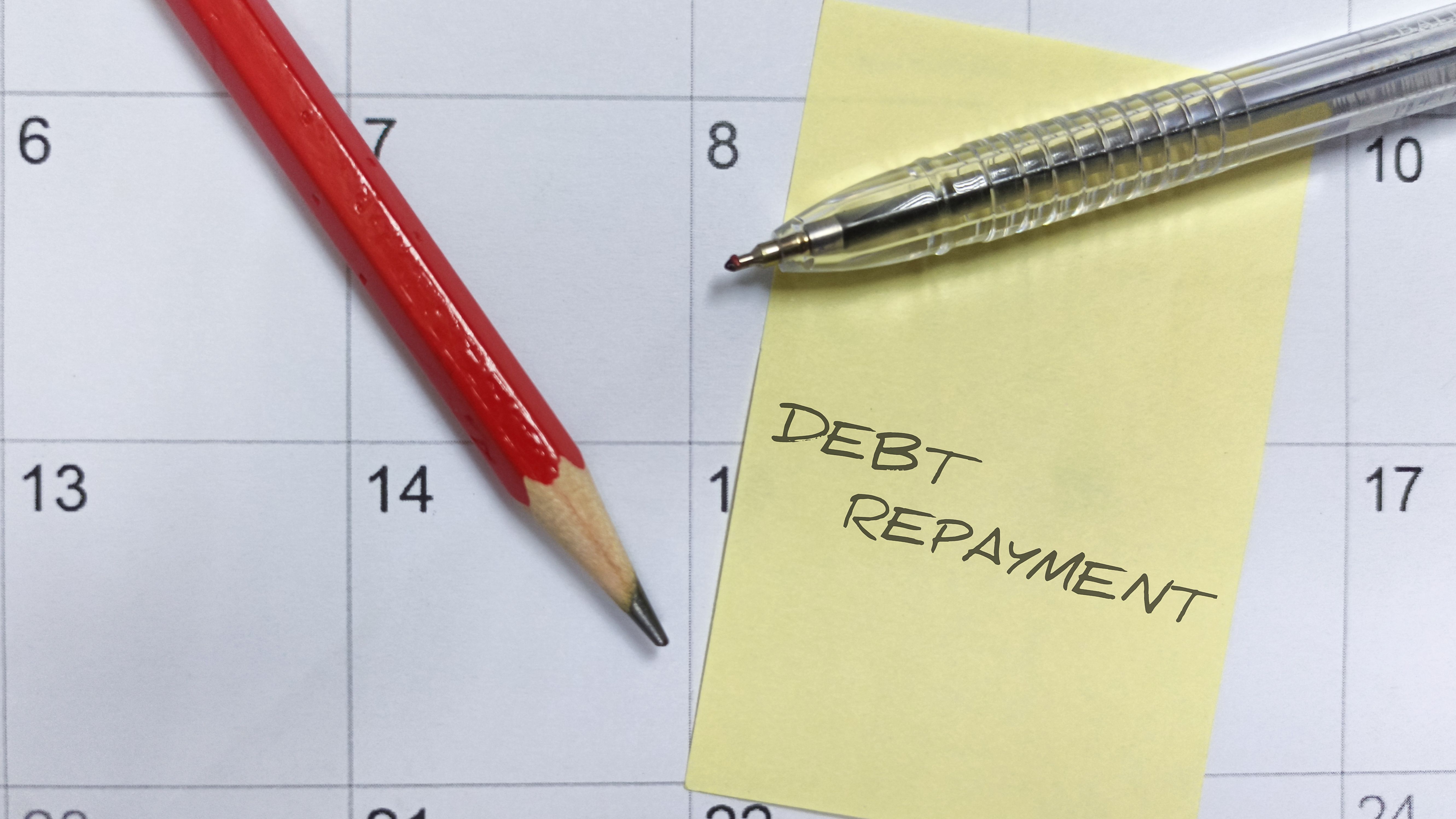
Types of Debt Consolidation
There are several ways to consolidate debt. The most common methods include personal loans, balance transfer credit cards, and home equity loans. Each option has its advantages and disadvantages, so it's crucial to consider which is best suited for your needs.
A personal loan can offer a fixed interest rate and set repayment term, making budgeting easier. Balance transfer credit cards may provide low or 0% interest for an introductory period, but it's important to pay attention to any fees involved. Home equity loans allow you to leverage your property's value, but they also put your home at risk if you fail to make payments.

Benefits of Debt Consolidation
Debt consolidation can lead to several benefits, including simplified payments, potentially lower interest rates, and improved credit scores over time. By streamlining your payments into one, you can avoid missed or late payments, which can negatively impact your credit.
Lower interest rates mean more of your payment goes toward reducing the principal balance, helping you pay off debt faster. Additionally, as you steadily reduce your debt, your credit utilization ratio improves, positively affecting your credit score.

Considerations Before Consolidating
Before deciding on debt consolidation, assess your spending habits and ensure you're ready to avoid accumulating new debt. Consolidation is a helpful tool, but it requires discipline and commitment to be effective.
It's also crucial to read the terms and conditions carefully. Look out for fees, interest rates, and any penalties for early repayment. Consulting with a financial advisor can provide personalized guidance tailored to your specific situation.
Steps to Take
If you decide debt consolidation is right for you, follow these steps to get started:
- Assess your total debt and interest rates.
- Research consolidation options and compare offers.
- Apply for the consolidation loan or credit card.
- Use the funds to pay off existing debts.
- Create a budget to manage future payments.
By taking these steps, you can move towards financial stability and regain control over your finances.