
The Latest Methods for Improving Credit Scores Quickly: A Comprehensive Guide


Understanding Your Credit Score
Your credit score plays a crucial role in your financial life, influencing your ability to secure loans, rent apartments, and sometimes even get a job. A higher score can lead to better interest rates and terms. Understanding what affects your credit score is the first step towards improving it.
Credit scores are typically calculated based on five factors: payment history, amounts owed, length of credit history, new credit, and types of credit used. By focusing on these areas, you can develop a strategy to enhance your score.
Paying Your Bills on Time
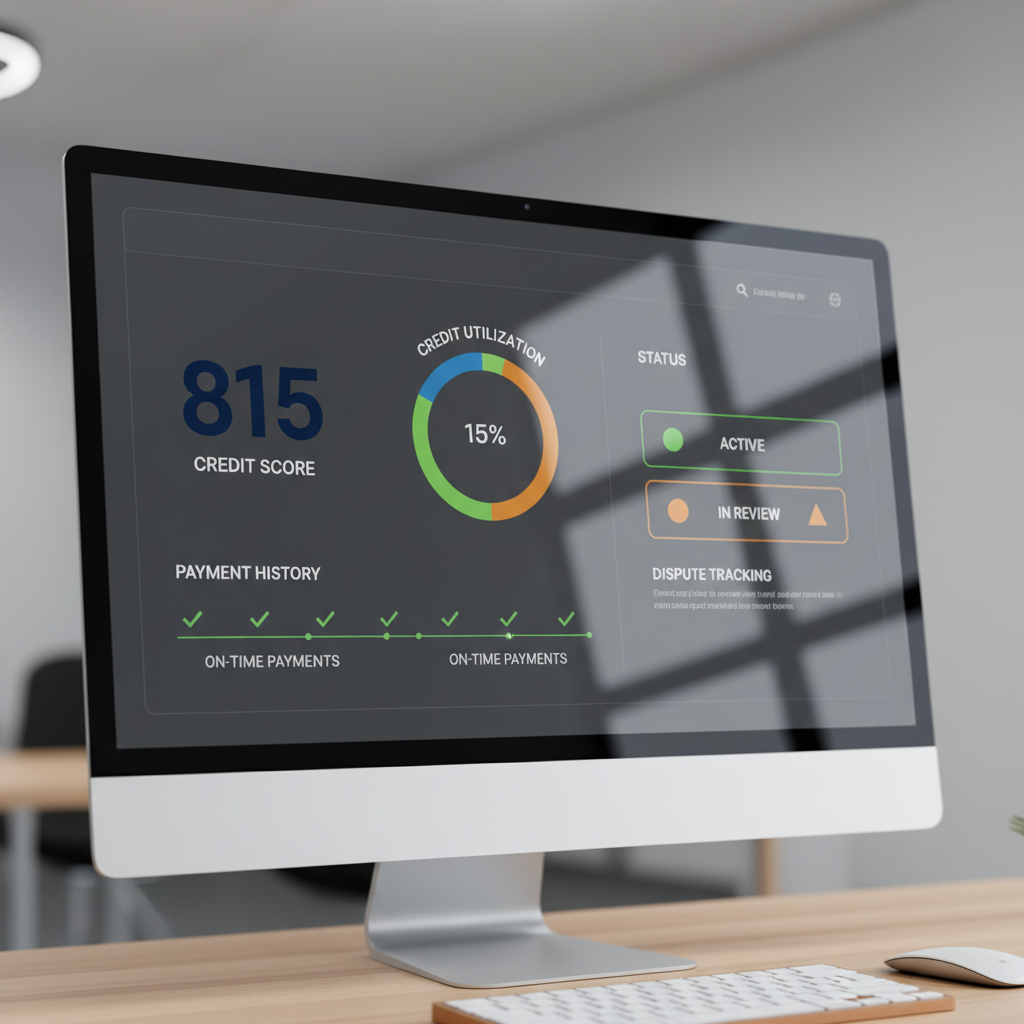
One of the most effective ways to boost your credit score quickly is to ensure all your bills are paid on time. Payment history accounts for about 35% of your credit score, making it the most significant factor. Set up reminders or automatic payments to avoid any late payments.
Even a single late payment can negatively impact your score, so consistency is key. If you have missed payments, work on getting current and staying current, as this will gradually improve your score over time.
Reducing Your Credit Utilization Ratio
Your credit utilization ratio is the amount of credit you're using compared to your total credit limit. Keeping this ratio below 30% is recommended for optimal credit health. If you have high balances, paying them down can give your score a quick boost.
- Pay down existing debt.
- Avoid making large purchases on credit.
- Request a credit limit increase to lower your utilization ratio.

Avoiding New Hard Inquiries
Each time you apply for new credit, a hard inquiry is recorded on your credit report. Too many inquiries in a short period can lower your score. Limit new credit applications to improve your score.
If you need to shop around for loans, do so within a short window, typically 14 to 45 days, so that multiple inquiries are treated as a single one.
Checking Your Credit Report for Errors
Mistakes on your credit report can unfairly lower your score. Obtain a free copy of your credit report from major bureaus and review it carefully. Look for inaccuracies such as incorrect personal information, accounts that don’t belong to you, or erroneously reported late payments.

If you find any errors, dispute them immediately. Correcting these mistakes can lead to a quick score improvement.
Adding Positive Credit History
If you have a limited credit history, consider adding positive accounts to your report. Becoming an authorized user on a responsible person's credit card account or taking out a small credit-builder loan can help build a positive history.
Another strategy is to use a service that reports your utility and phone bill payments to the credit bureaus, thereby adding more positive data to your credit profile.